Resin Types Used in Windshield Repair in Albuquerque, NM
Resin Types Used in Windshield Repair in Albuquerque, NM
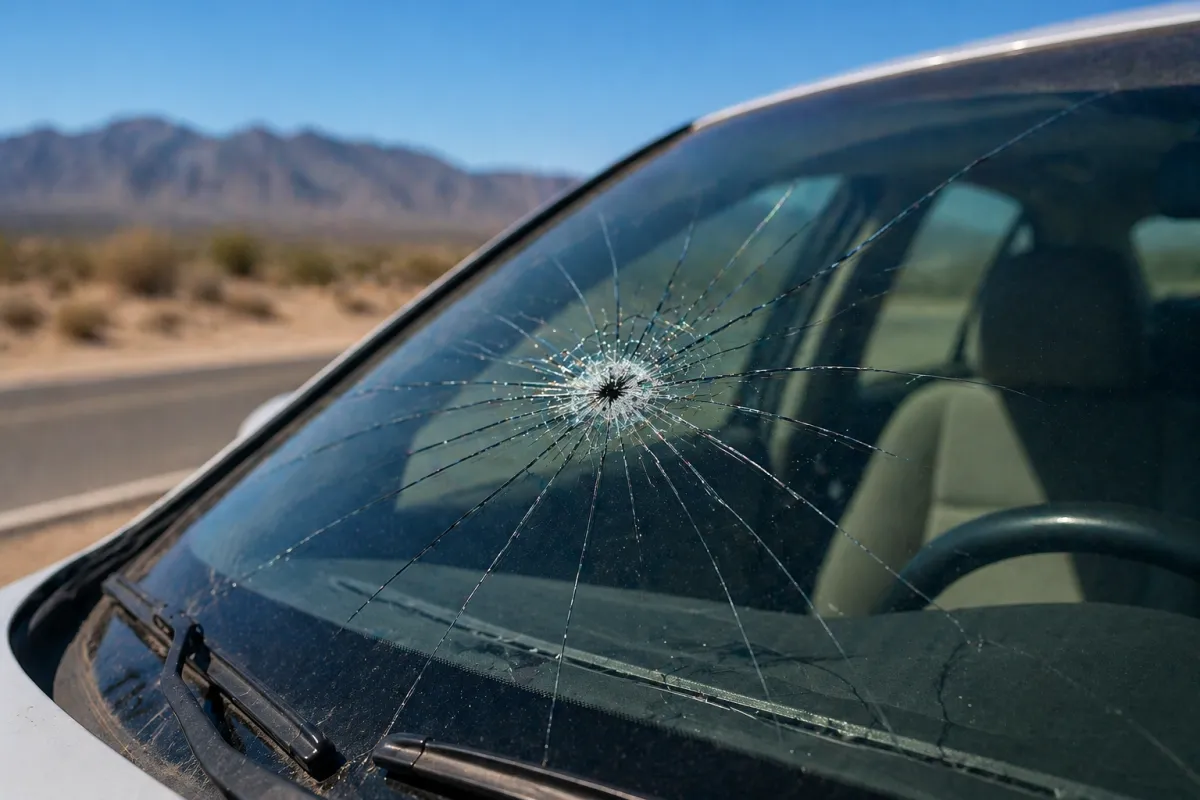
When a rock chips your windshield on I-40 or cracks start spreading after a windy day near Northeast Heights, most drivers think one thing, “Do I need a replacement?”
The truth is, many windshields can be safely repaired, but the quality of that repair depends heavily on something most people never see, the resin.
At RND Auto Detailing and Glass Repair LLC, we treat windshield repair like a precision process, not a quick fix. The type of resin used plays a major role in visibility, durability, and long-term safety.
This guide breaks down the different resin types used in windshield repair, how they work, and why choosing the right shop in Albuquerque matters.
Why Resin Matters in Windshield Repair
Windshield repair is not just about filling a chip. It is about restoring structural
integrity and clarity.
When a chip or crack forms, air and debris get trapped inside. Resin is injected into the damaged area to:
Bond the glass layers back together
Prevent cracks from spreading
Restore visibility and clarity
Strengthen the windshield for safe driving
In Albuquerque, where heat, UV exposure, and dust are constant, the wrong resin choice can lead to repairs failing faster than expected.
How Windshield Repair Resin Works
Modern windshields are made of laminated glass, two layers of glass with a plastic interlayer.
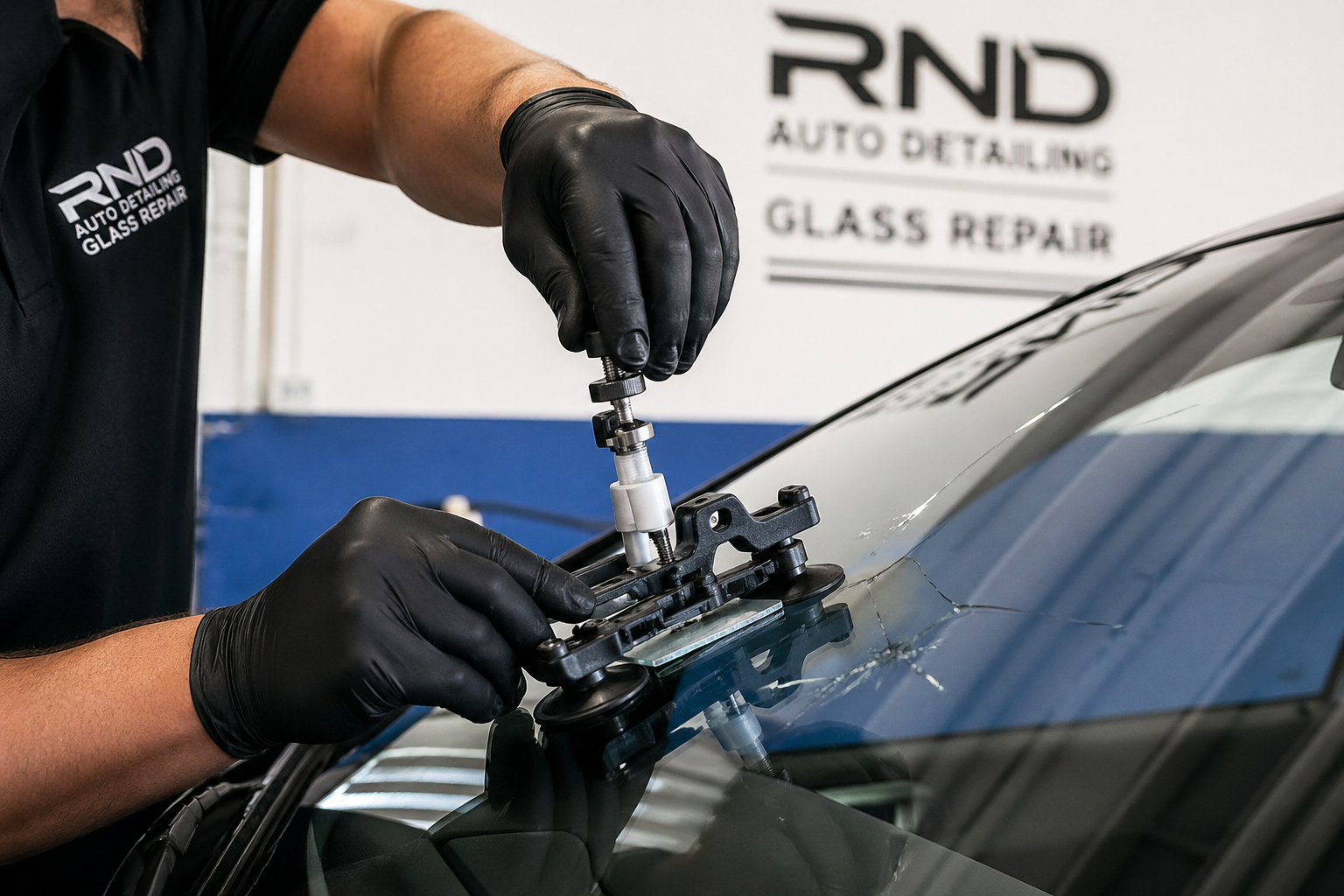
When damage occurs, technicians:
Clean the damaged area
Remove trapped air using vacuum pressure
Inject specialized resin into the crack or chip
Cure the resin using UV light
Polish the surface for clarity
The type of resin used during this process determines how well the repair blends and how long it lasts.
Main Types of Windshield Repair Resins
Not all resins are the same. Professional technicians use different types depending on the damage.
1. Low Viscosity Resin (Thin Resin)
Low viscosity resin is the most commonly used type for small chips and cracks.
What It Does Best
Flows easily into tight cracks
Penetrates deep into fine damage
Creates strong bonding in small areas
When It Is Used
Bullseye chips
Star breaks
Small surface cracks
Why It Matters in Albuquerque
With rapid temperature swings, especially near Sandia High School and Expo New Mexico areas, cracks can expand quickly. Thin resin ensures full penetration before curing.
2. Medium Viscosity Resin
This is the middle ground resin, offering both flow and strength.
What It Does Best
Balances penetration and durability
Works well on moderate damage
Provides better structural reinforcement
When It Is Used
Combination breaks
Slightly larger chips
Cracks with mixed depth
Local Insight
Based on what we see with Albuquerque drivers, many chips start small but worsen due to dust and road debris. Medium viscosity resin is often the best choice for these evolving damages.
3. High Viscosity Resin (Thick Resin)
High viscosity resin is thicker and stronger, used for larger or more complex damage.
What It Does Best
Fills wider cracks
Provides strong structural support
Reduces visible distortion
When It Is Used
Long cracks
Edge cracks
Deep impact damage
Important Note
This type requires experienced handling. If applied incorrectly, it can trap air or leave visible marks.
At RND, precision matters, especially for repairs near the driver’s line of sight.
4. Pit Fill Resin (Surface Resin)
After the main repair, technicians often use a finishing resin called pit fill.
What It Does Best
Seals the outer surface
Smooths the repair area
Improves cosmetic appearance
When It Is Used
Final step of most repairs
Surface-level chips
Cosmetic finishing
This step is critical for restoring clarity and preventing future contamination from Albuquerque dust and sand.
Specialized Resin Types Used by Professionals
Advanced repair shops may use specialty resins depending on conditions.
UV-Curing Resin
All modern windshield resins cure under ultraviolet light, but some are formulated specifically for faster or stronger curing.
Faster curing in bright sunlight
Stronger bond in high-UV environments
Ideal for Albuquerque’s intense sun
Temperature-Specific Resin
In places like Albuquerque, temperature plays a huge role in repair quality.
Cold-weather resin for winter mornings
Heat-resistant resin for summer conditions
Prevents premature curing or weak bonding
Optical Clarity Resin
Some resins are designed specifically to reduce visual distortion.
Improves driver visibility
Minimizes noticeable repair marks
Ideal for chips in the driver’s line of sight
Choosing the Right Resin for Albuquerque Conditions
Albuquerque presents unique challenges for windshield repair:
Intense UV exposure
Rapid temperature swings
Dust and sand intrusion
High-speed highway debris from I-40
Because of this, a one-size-fits-all approach does not work.
At RND Auto Detailing and Glass Repair, we evaluate each repair individually and choose resin based on:
Type of damage
Location on the windshield
Depth and spread of the crack
Environmental conditions at the time of repair
Why Cheap Repairs Often Fail
Many quick-service shops use a single generic resin for all repairs.
This leads to:
Poor bonding
Visible blemishes
Cracks spreading later
Reduced safety
The real issue is not just the resin, it is the lack of precision.
Our philosophy is rooted in discipline and attention to detail, treating every vehicle like mission-critical equipment.
Real Example from Albuquerque Drivers
One driver from the North Valley came in with a small chip that had been “repaired” elsewhere.
Within two weeks:
The crack spread across the windshield
Visibility worsened
Full replacement became necessary
After inspection, the issue was clear:
Incorrect resin type
Poor injection process
No proper curing
This is why proper resin selection is not optional, it is essential.
Signs Your Windshield Repair Was Done Right
After a professional repair, you should notice:
Crack no longer spreading
Improved clarity
Smooth surface finish
Strong structural feel
A faint mark may still be visible, but it should not distort your view.
When Resin Repair Is Not Enough
Not all damage can be repaired.
Replacement may be required if:
Crack is longer than 6 inches
Damage reaches the edge of the windshield
Multiple cracks intersect
Visibility is severely compromised
At RND, we always recommend repair first when safe, but we prioritize safety above all.
Local Windshield Care Tips for Albuquerque Drivers
To extend the life of your windshield repair:
Avoid extreme temperature changes immediately after repair
Keep your windshield clean from dust and debris
Park in shaded areas when possible
Address chips early before they spread
Why Choose RND Auto Detailing and Glass Repair LLC
We are not a volume shop. We are a precision-driven, veteran-owned business focused on quality and trust.
Veteran-owned with disciplined service approach
Specialized resin selection for each repair
Deep understanding of Albuquerque conditions
Focus on safety and long-term results
Visit or Contact Us
RND Auto Detailing and Glass Repair LLC
12910 Central Ave SE
Albuquerque, NM 87123
Phone: (505) 312-2455
Email: [email protected]
Located just off I-40 near Central and Tramway, we proudly serve Uptown Albuquerque, Northeast Heights, North Valley, and surrounding areas.
Final Thoughts
Windshield repair is more than filling a crack, it is restoring safety, clarity, and confidence behind the wheel.
The type of resin used makes all the difference.
When done correctly, a repair can:
Extend the life of your windshield
Save you money
Keep your vehicle safe on Albuquerque roads
When done poorly, it leads to bigger problems fast.
If you have a chip or crack, do not wait.
Call RND Auto Detailing and Glass Repair at (505) 312-2455 or stop by our shop on Central Ave SE for trusted, veteran-owned service.
And if we have helped restore your windshield, leave us a review and share how your ride looked after your visit.